Favorites
Customize ESPN
ESPN Sites


ESPN Apps


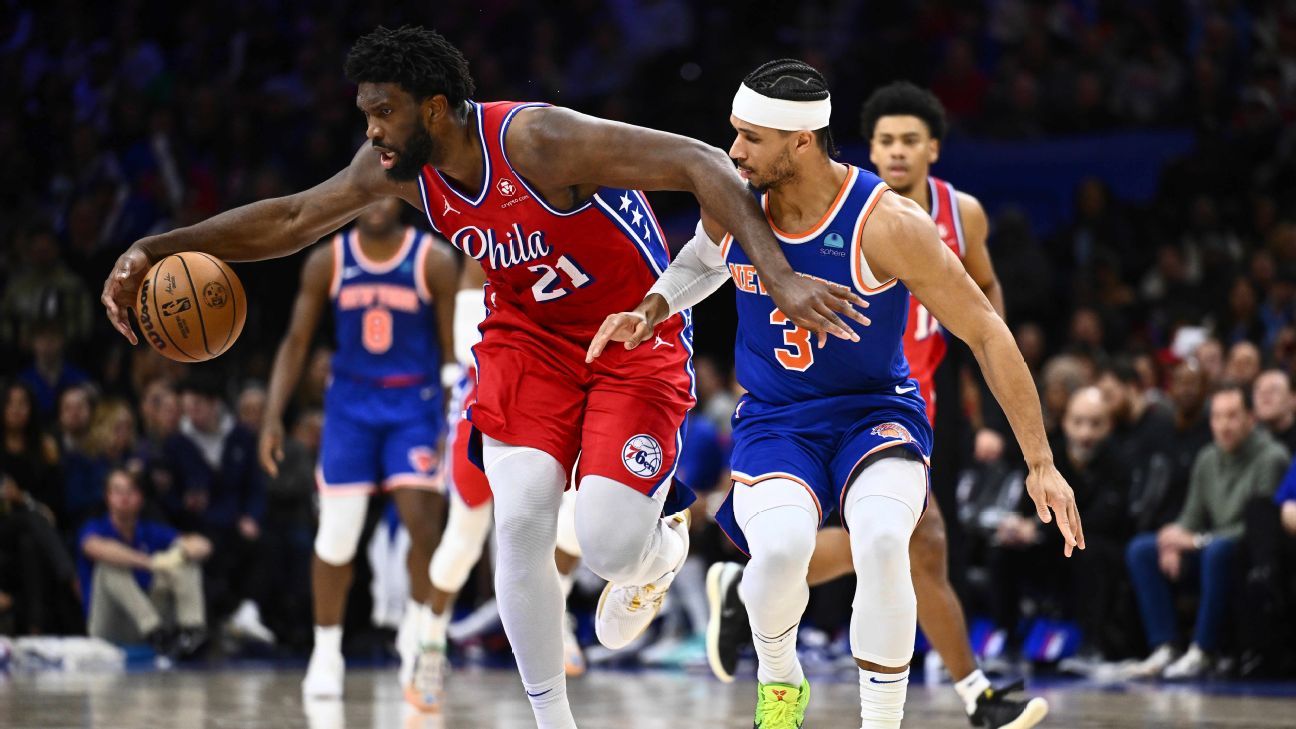
Which lower-seeded teams have the best chance in the first round of the NBA playoffs?
Four lower-seeded teams were victorious in last year's first round. Which teams can follow suit this season?
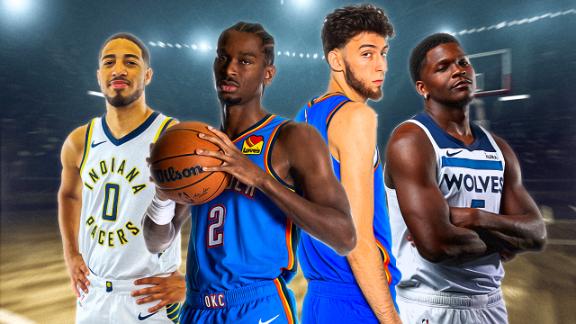
The young stars ready to shine bright in the NBA playoffs
TOP HEADLINES
NBA PLAYOFFS
SATURDAY'S GAMES
STANLEY CUP PLAYOFFS ARE HERE!
Wyshynski: My picks for every series in the 2024 Stanley Cup playoffs
The NHL postseason is the best tournament in pro sports. Who will win each matchup, and in how many games? Who takes home the Cup?
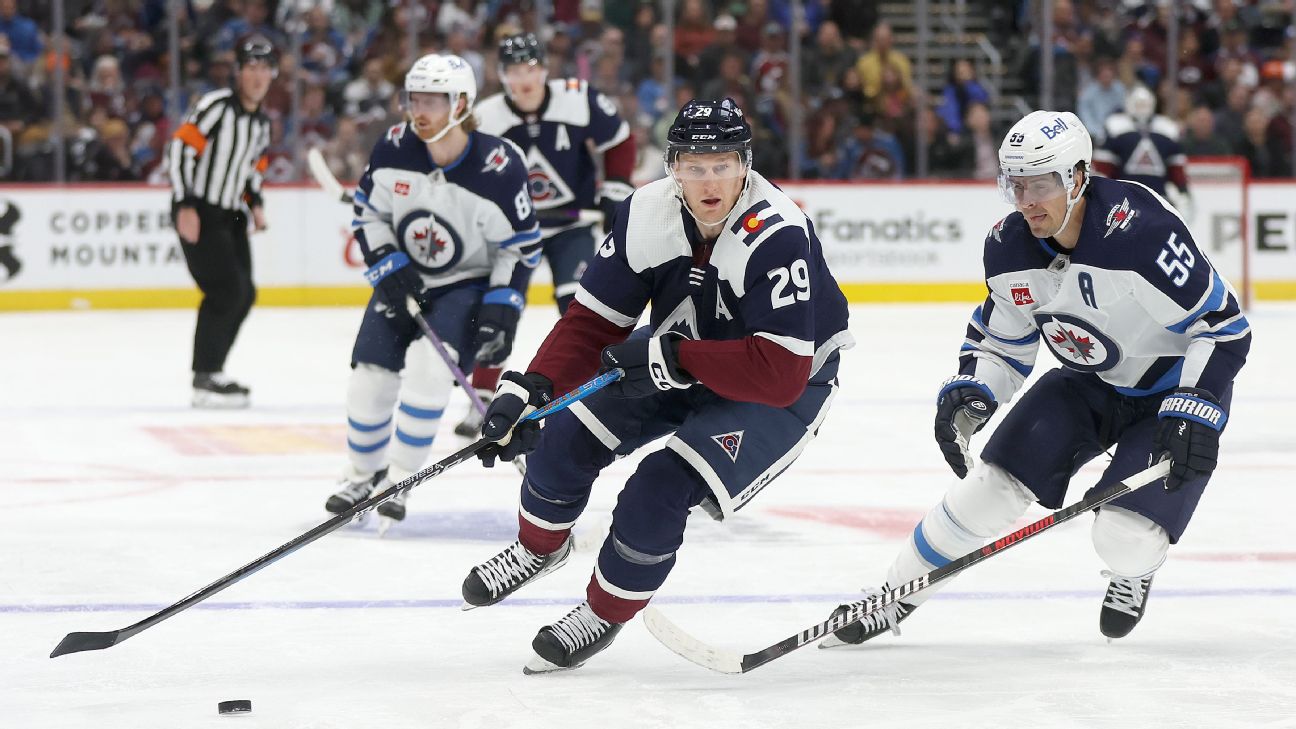
Players to watch, bold predictions for all 16 teams
Sixteen teams are in, but only one will leave with the most glorious trophy in sports. Here's your guide to each club.


PGA TOUR: RBC HERITAGE
THROUGH SUNDAY ON ESPN+
Stream live: Third-round coverage

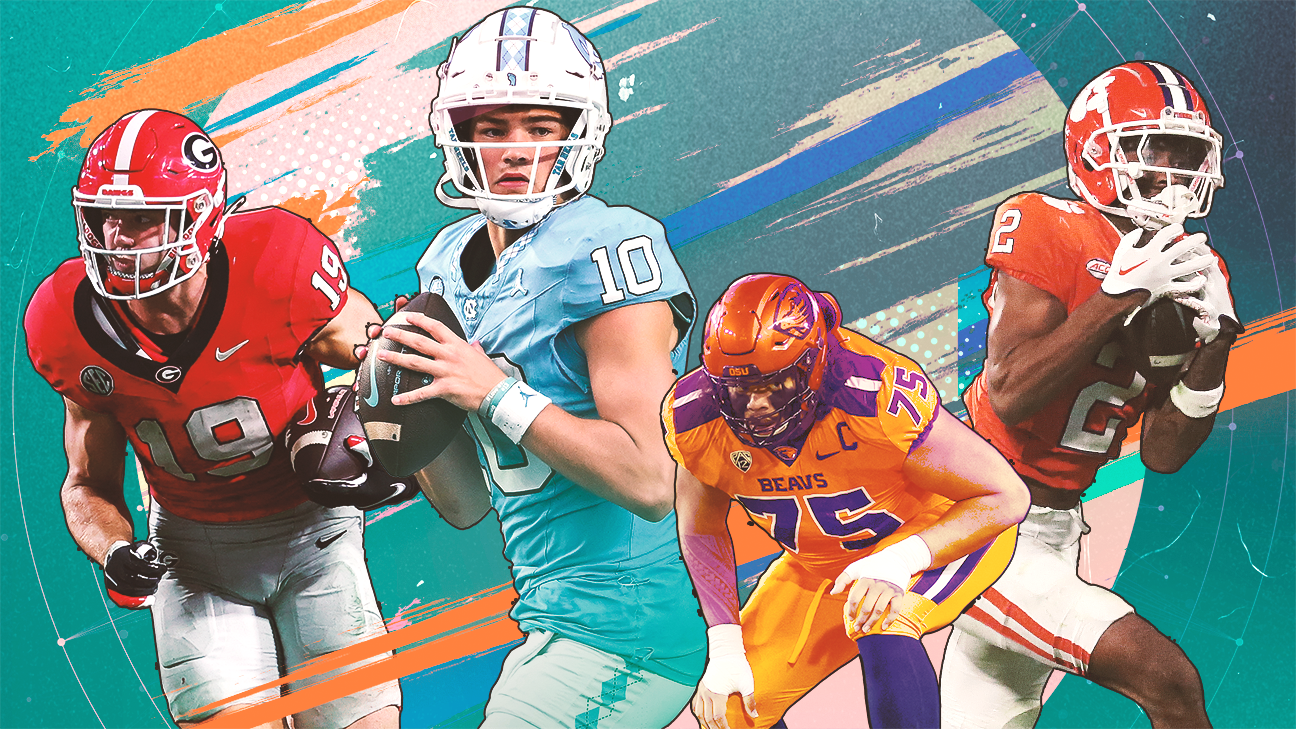
The Leggy 100: Ranking the best 2024 NFL draft prospects

NFL DRAFT
THURSDAY-SATURDAY ON ESPN NETWORKS
Which NFL teams could make first-round trades? 12 candidates to move up or down on draft day
Will a team jump into the top five for a QB? Could others get in position for a WR or OT? And what about deals for more draft capital?

Debating biggest need vs. best value in Round 1: We made two draft picks at all 32 slots
Fill a need? Best player available? We played out both strategies for all 32 first-round slots in the 2024 draft.
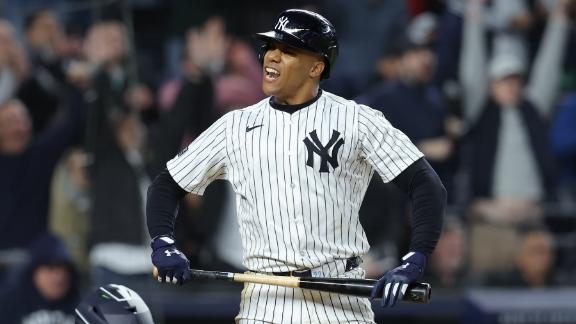
HAMMERING HOMERS
Juan Soto sends Yankee Stadium into hysteria with 3-run shot
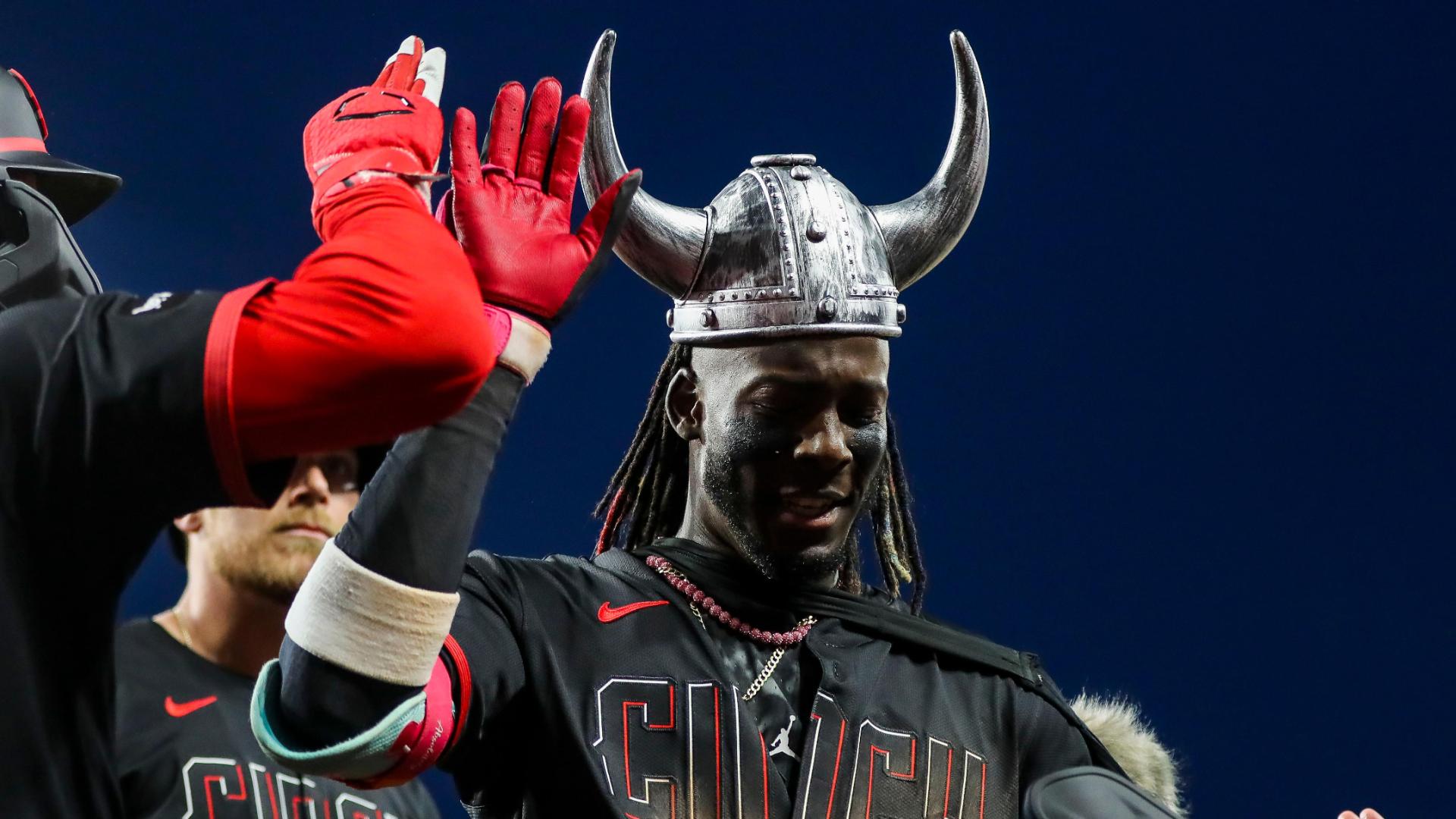
Elly De La Cruz puts on Viking helmet after 3-run homer

GLOBAL SOCCER SCORES
SATURDAY'S MATCHES
PELS, HEAT SECURE SPOTS
NBA PLAYOFFS
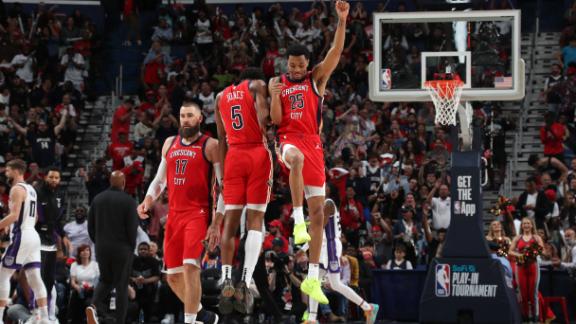
Pelicans hold off Kings to advance to playoff matchup vs. Thunder
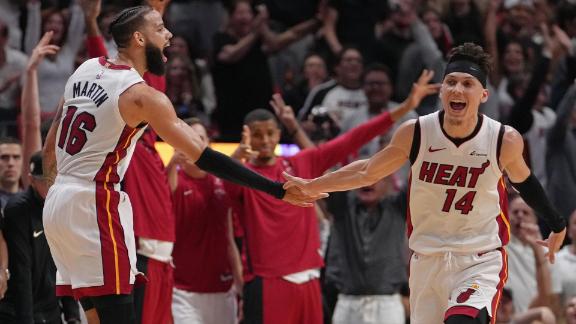
Tyler Herro, Jaime Jaquez fuel Heat past Bulls, set up Celtics rematch
Top Headlines
- DeRozan keen on return to Bulls, but with caveat
- 23 Chinese swimmers tested positive pre-Tokyo
- Canes slim Stanley Cup favorites in crowded field
- Ingram's bounce-back effort helps Pels nab 8-seed
- Coban Porter, brother of Nuggets star, sentenced
- Stewart to become 7th from Duke to enter portal
- UF's Caglianone ties D-I record with another HR
- Justin Pippen, son of Hall of Famer, picks Michigan
- NFL draft first-round trade candidates
Customize ESPN
ICYMI
Paul Skenes delivers 8 Ks in 3.1 IP
Pirates top prospect Paul Skenes throws over 34 100mph pitches in one night for the Indianapolis Indians.

Best of ESPN+
- Aurelien Meunier/Getty Images
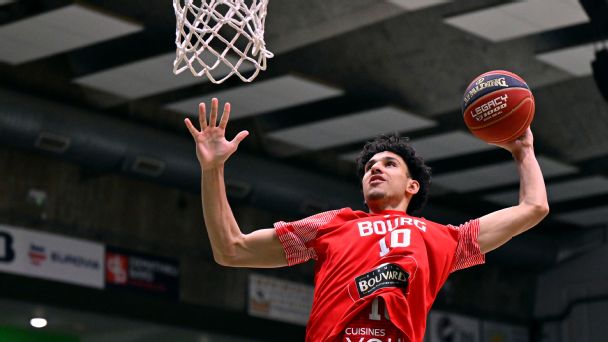
2024 NBA mock draft: Team analysis for all 30 first-round picks
With the college and international basketball seasons coming to an end, ESPN NBA draft insiders Jonathan Givony and Jeremy Woo update the 2024 mock draft.
- Illustration by ESPN
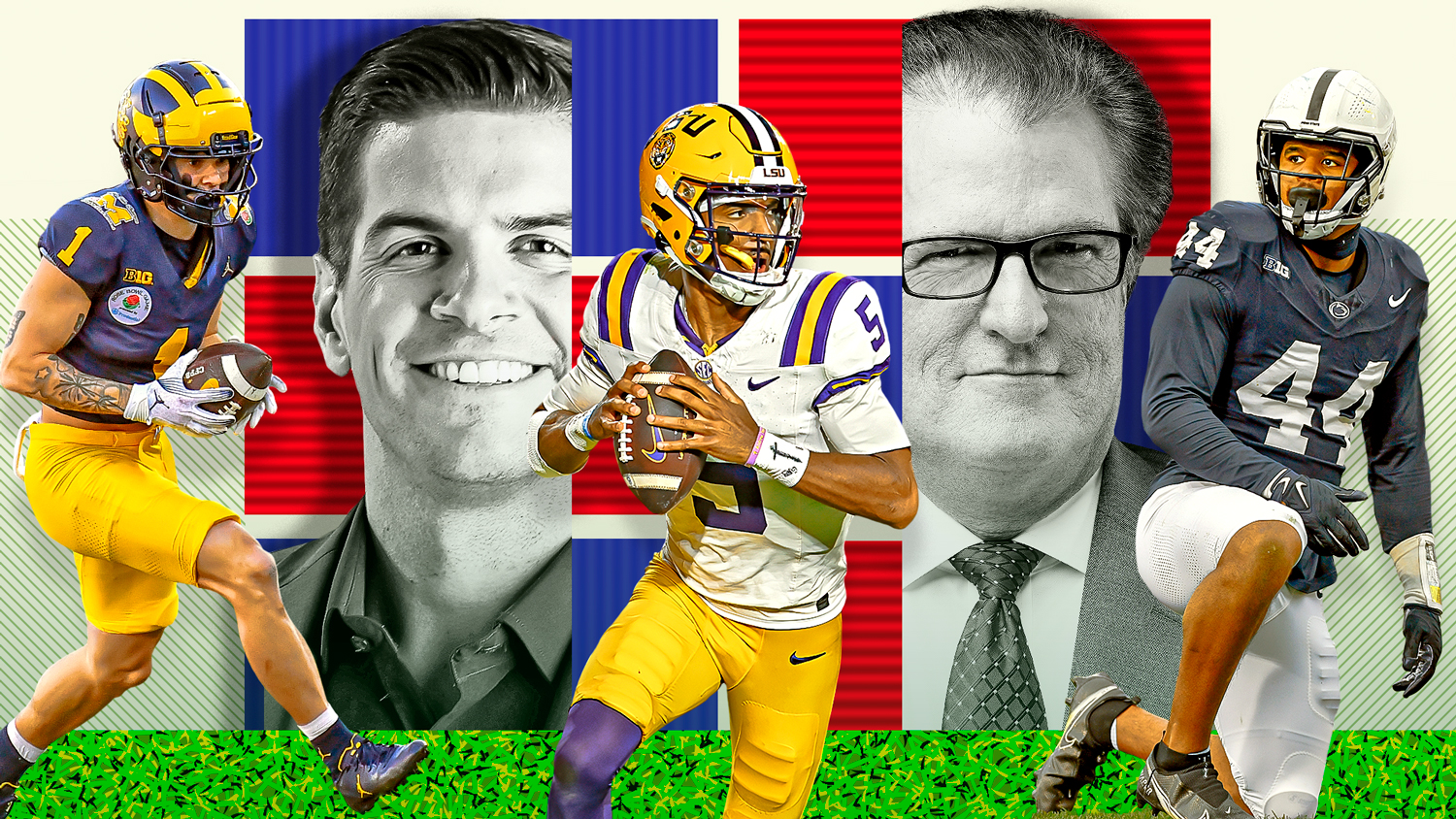
Three-round 2024 NFL mock draft: Kiper, Yates predict top 100 picks
Mel and Field trade pick projections across Days 1 and 2 of the draft, finding perfect fits for 100 of the best prospects in the class.
- Photo by Garrett Ellwood/NBAE via Getty Images
Full regular-season grades for all 30 NBA teams
ESPN NBA insider Kevin Pelton hands out report cards for each NBA team's regular season.
Trending Now
- NFL QB Draft Picker, VGC
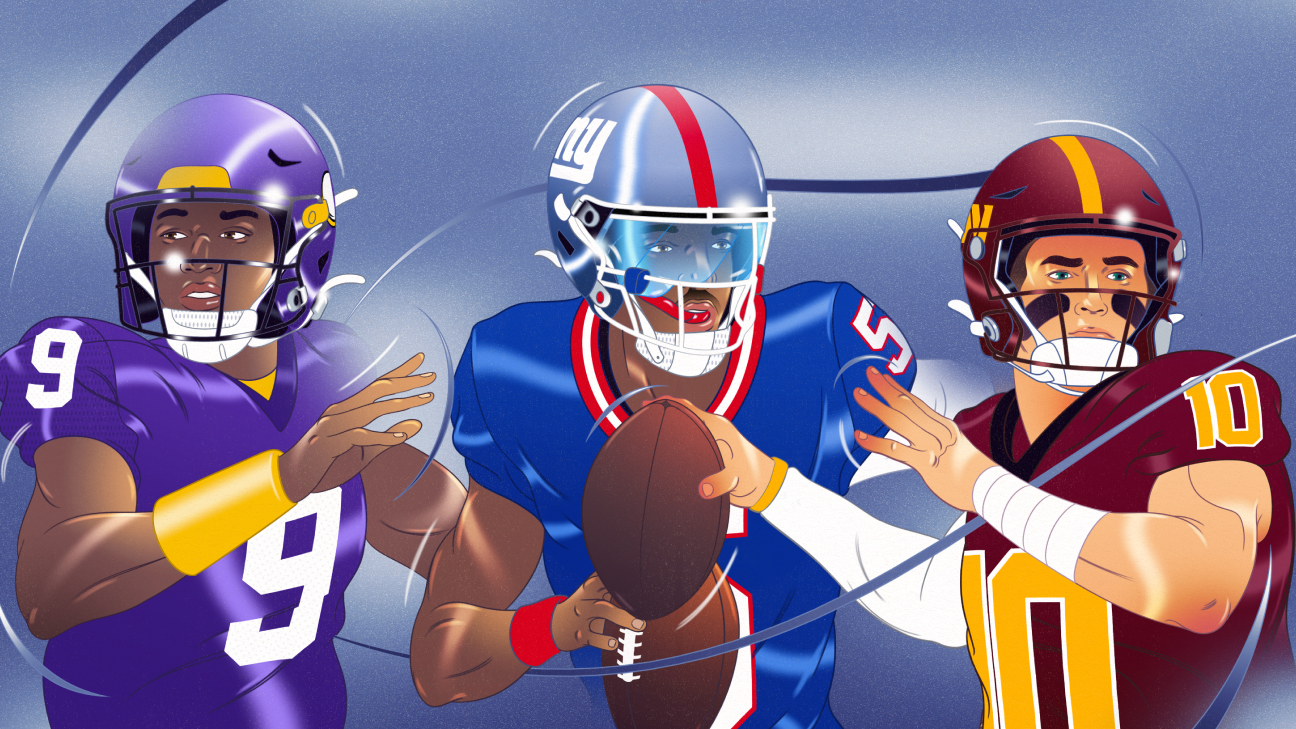
2024 NFL draft: Matching quarterbacks to teams in Round 1
Pick your NFL team and your quarterback prospects, and we will grade the fit -- and give the chances each pick could happen.
- Jeffrey Becker-USA TODAY Sports
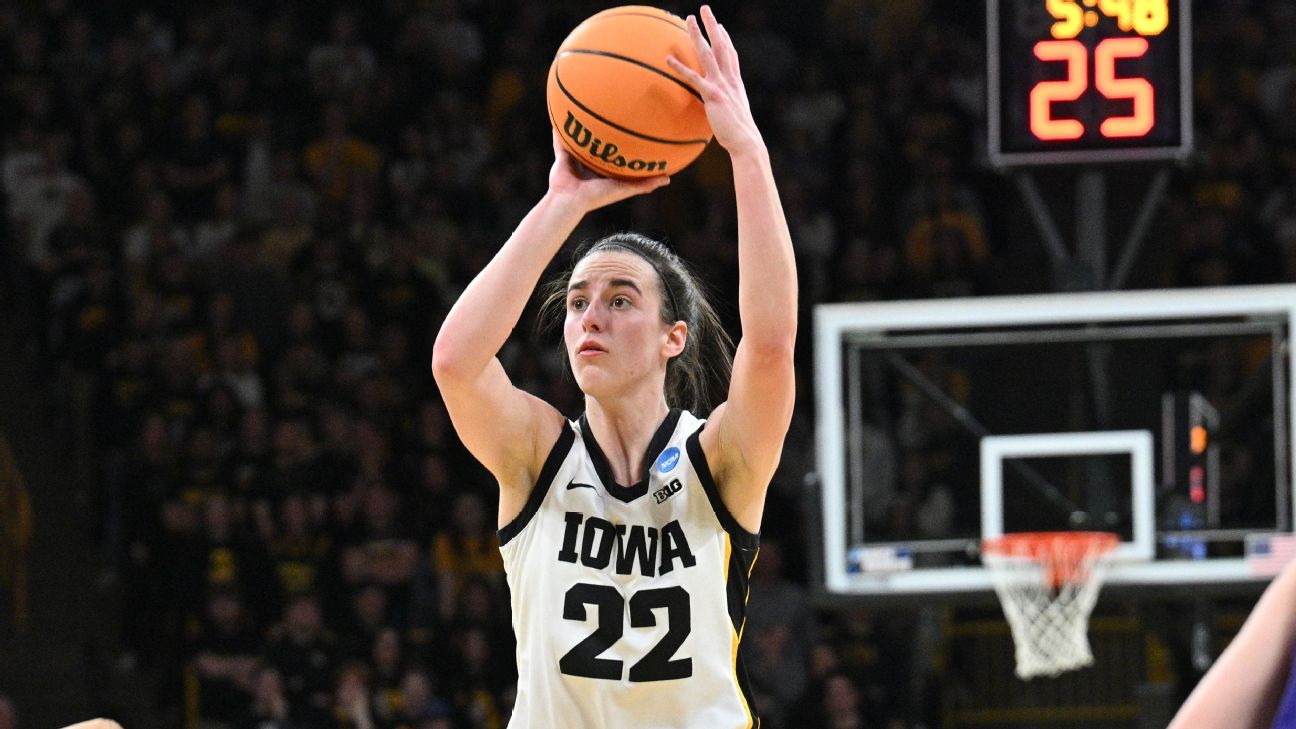
How Caitlin Clark will go from mega NCAA star to WNBA rookie
Sue Bird, Elena Delle Donne, Nneka Ogwumike, Candace Parker and Lisa Leslie describe what Clark should expect from her peers during her rookie season.
- ESPN Illustration
100 days until Paris Olympics 2024: Dates, athletes and more
The 2024 Paris Olympics will kick off on July 26 -- and until then, we've got 100 things you'll want to know, from the athletes to watch to the milestones that could be reached.





Get a custom ESPN experience
Enjoy the benefits of a personalized account
Select your favorite leagues, teams and players and get the latest scores, news and updates that matter most to you.